Canada
Freelance Web Developer for Canadian Agencies & Startups
Two things make Canadian web work different from most markets: accessibility is a legal requirement rather than a nice-to-have, and a serious number of sites need to exist properly in both English and French. Both are the kind of requirement that is cheap to build in and expensive to retrofit.
Straight answer
I have not shipped for a client based in Canada yet — my work so far has been for businesses in the UAE, New Zealand, the Netherlands, Malta and Pakistan. What I can show you is 9 years of the same problems solved for companies that look like yours, and live sites you can check for yourself.
Accessibility as a build requirement, not an audit at the end
Ontario's AODA sets an actual legal standard, and WCAG conformance is written into most public-sector and enterprise contracts across the country. Retrofitting a finished site to pass is slow and produces compromises. Building to it — real focus states, keyboard paths that work, contrast that passes, semantics that a screen reader can follow — costs almost nothing if it is there from the first component.
English and French, properly
Bilingual delivery in Canada is not a translation dump. Content lengths differ, navigation labels wrap differently, and both versions have to stay in sync as the site grows. I have built multilingual sites with WPML where the second language is maintained by the client's own team rather than coming back to me for every change.
Dropping into an agency's existing stack
A good share of my work is not greenfield — it is joining a codebase someone else started, matching their conventions, and not leaving a mess for the next person. If you are an agency with more won work than capacity, that is the useful shape of help.
Working hours
My afternoon and evening land on the Canadian morning, which means a full overlapping window every working day — and overnight progress on the days you need it.
How it runs
From first call to handover
- A call about the problemNot about what you want built — about what is not working now. Half the time the thing a client asks for is not the thing that fixes it, and that is worth finding out before anyone quotes.
- Written scope and a fixed quoteYou get the scope in writing: what is included, what is not, the milestones, and the price. Nothing starts until that is agreed, so there is no moving target later.
- Build in milestones, on a live staging linkYou get a staging URL from the first week and watch it fill in, rather than waiting in the dark for a big reveal. Problems surface while they are still cheap to change.
- A proper review roundYou go through it, list what is wrong, and I fix it. Feedback is expected — it is part of the build, not an inconvenience at the end of it.
- Handover you actually ownCode, access, a walkthrough of how to edit things, and documentation for anything non-obvious. No lock-in: you can hand it to another developer tomorrow and they will know where they are.
Ways to work together
Pick whichever fits the work
Price depends on scope, so it comes after the first call rather than off a menu.
Fixed-price project
A defined build with a clear finish line
- One agreed price, set before work starts
- Milestones with a payment against each
- Scope in writing, changes quoted separately
- Best when you know roughly what you need
Hourly
Work that cannot be scoped up front
- Joining an existing codebase
- Debugging, audits and one-off fixes
- Exploratory work where the shape is unclear
- Time logged and reported, no minimum block
Monthly retainer
A site that needs someone on it every month
- A set block of hours each month
- Priority over ad-hoc requests
- Updates, fixes and small features
- Someone who already knows the codebase
Closest examples
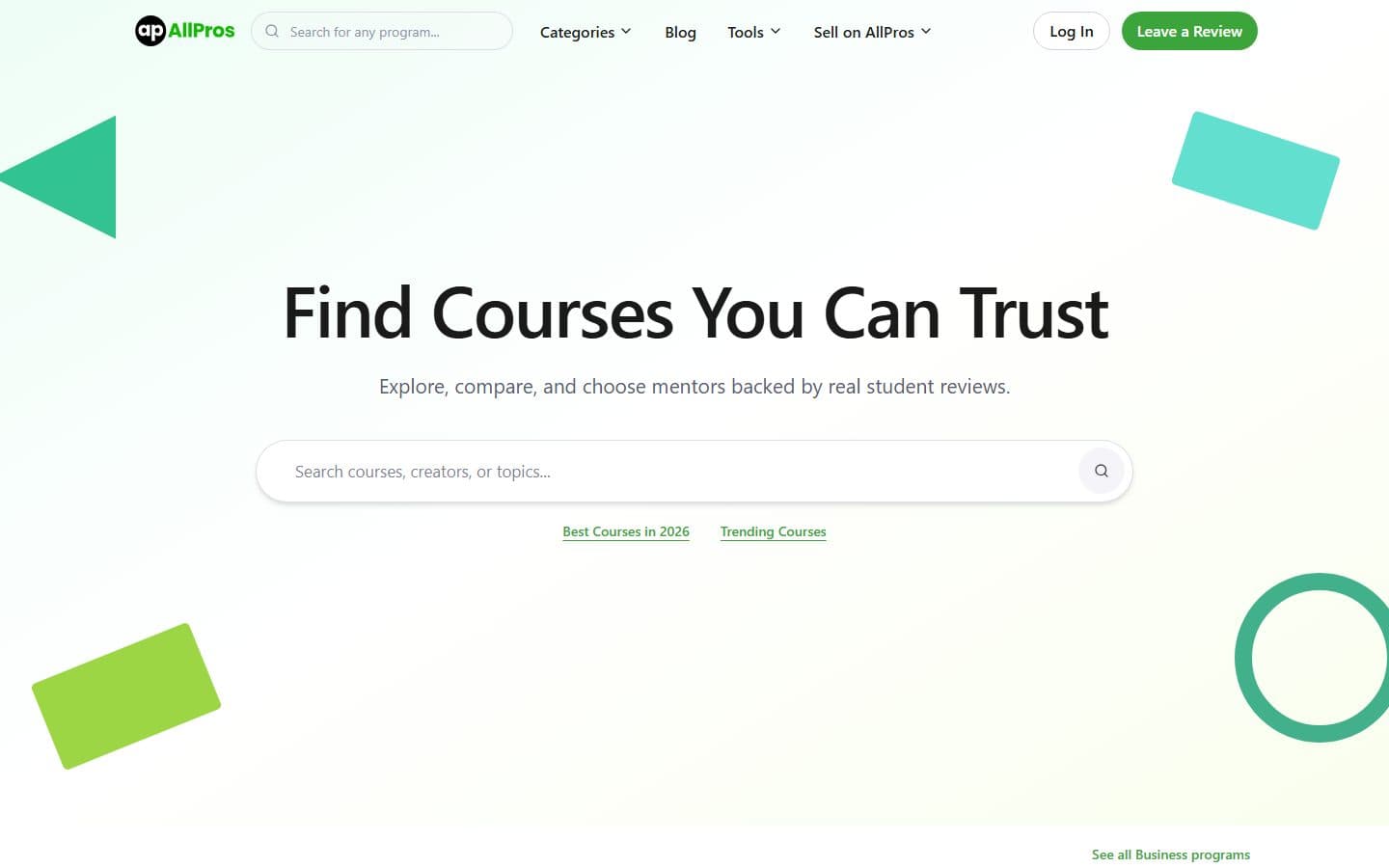
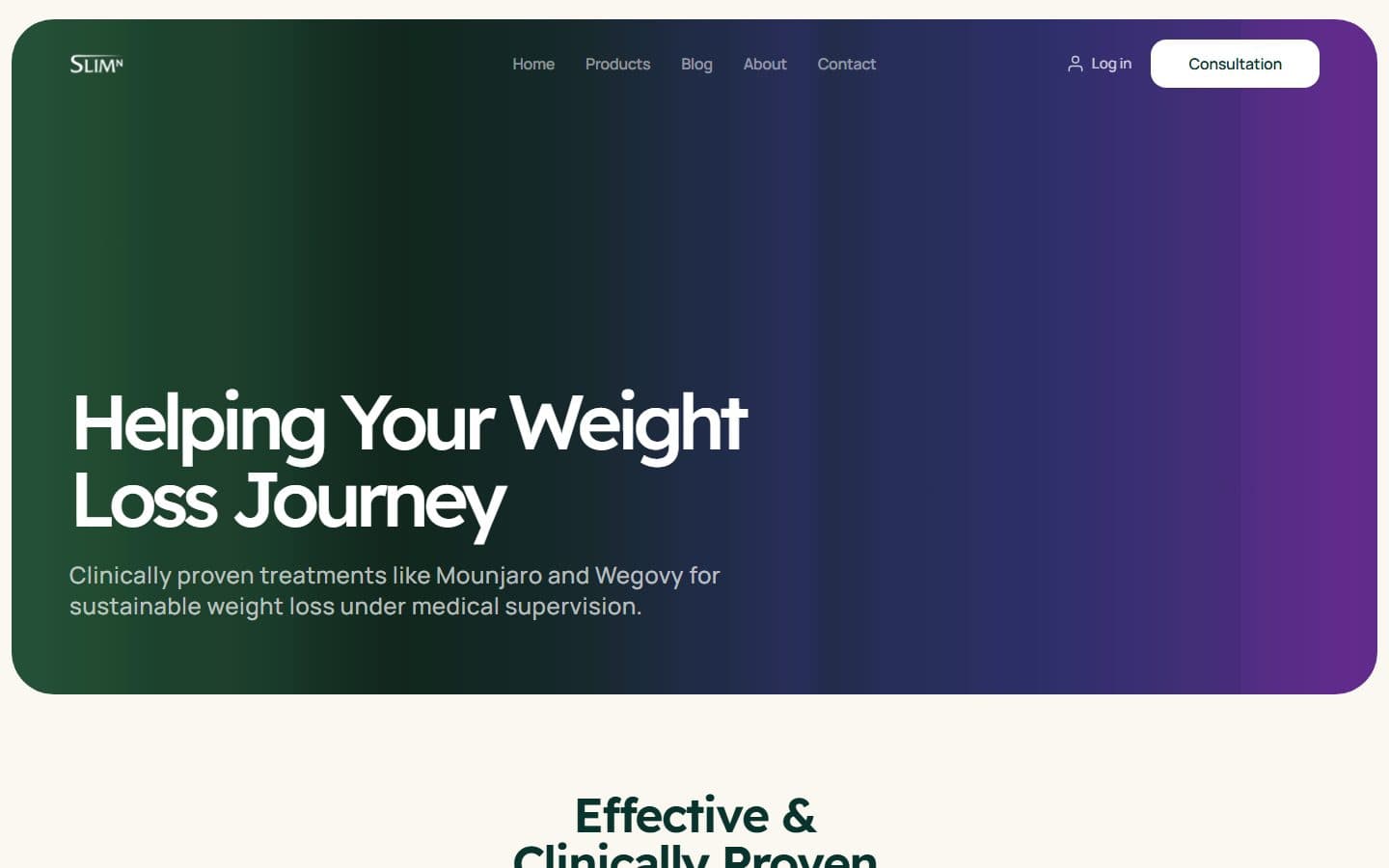
Live sites you can check yourself
Every one of these is in production. Click through and judge it.
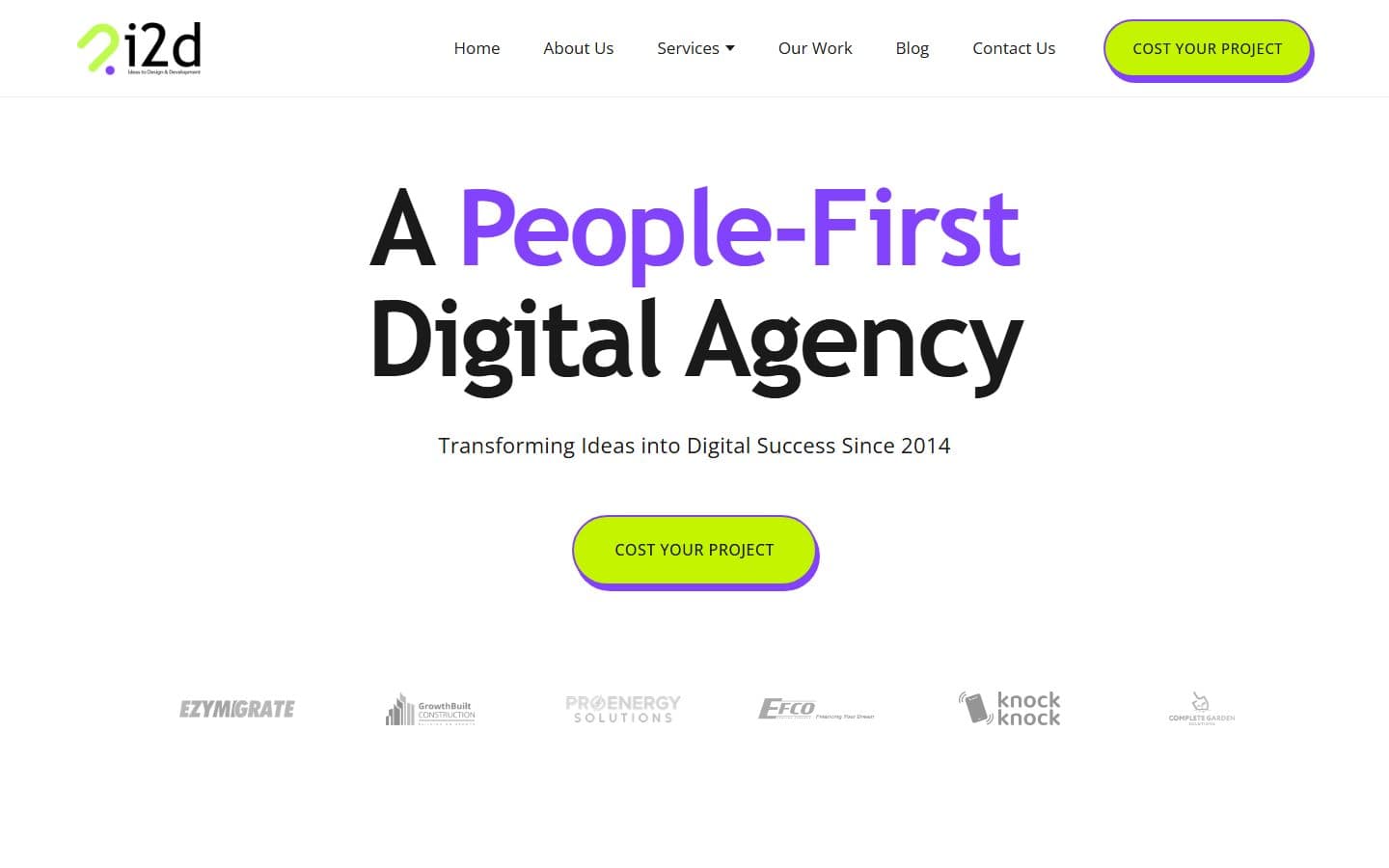
i2D
Digital agency website with custom templates and GSAP
Before you ask
Common questions
Will the site meet AODA and WCAG requirements?
I build to WCAG 2.1 AA as the default — semantic structure, keyboard paths, visible focus, contrast that passes. That covers what AODA asks of most business sites. If you need a formal third-party audit certificate, that is a separate specialist engagement and I will say so rather than pretend otherwise.
Can you deliver English and French?
Yes, built bilingual from the start with WPML. French copy runs longer than English, which breaks navigation and card layouts designed English-first, so it needs to be planned for rather than retrofitted.
How long does a build take?
A straightforward marketing site is usually a few weeks; a store or an application with real logic behind it is longer. The honest answer is that it depends on how ready the content is — the delay on most projects is waiting for copy and images, not the code.
What do you need from me to start?
Whatever you already have: existing site, brand assets, content, and a clear sense of what the site has to make happen. If the content is not written yet, say so at the start — it changes the timeline more than any technical decision.
Do you handle hosting and domains?
I set up and deploy to hosting, and I will recommend what suits the project. The accounts stay in your name and you keep the billing, so you are never locked out of your own infrastructure.
Can my team update the site without calling you?
That is the goal on every build. WordPress work is set up so editors can change content without touching layout, and for custom builds I hand over documentation for whatever is not self-evident.
What happens after launch?
You get a period after launch for fixing anything that turns out to be broken — that is part of the build, not extra. After that, ongoing work is either ad-hoc hourly or a monthly retainer, whichever fits how much you actually need.
What if I do not like what you have built?
You will have seen it on staging from the first week, so it should never be a surprise at the end. Review rounds are built into the process, and structural feedback is much cheaper early — which is exactly why you get the link early.
Tell me what you need built
Describe the problem and I will tell you what it actually takes to solve it — including when the answer is that you do not need me.
Start a conversation →